
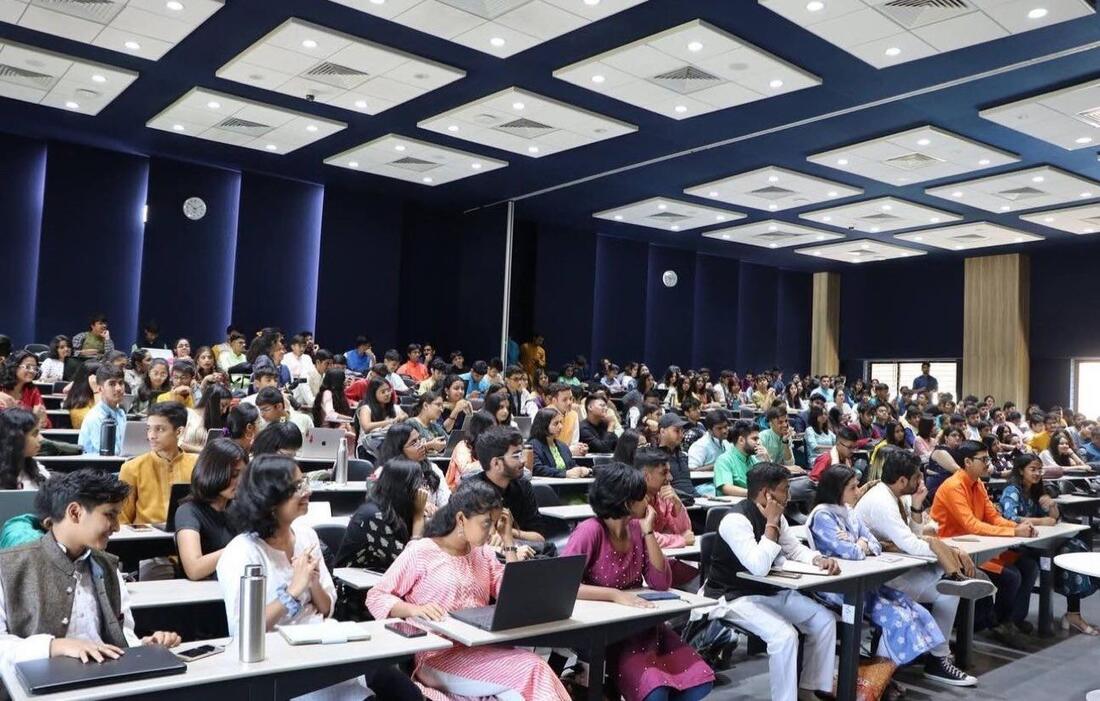
In 1953, Vijaya Lakshmi Pandit became the first woman to preside over the United Nations General Assembly. Our Model UN, VLP MUN, carries her name for a reason: she spent her life in rooms where people who disagreed had to arrive at a text they could all sign. A Model UN committee is a small, loud rehearsal of exactly that.
If you are walking into your first one, here is what to expect, and how to do well.
Before: the work that wins committees
Know your country, not just your topic. You represent a government, not yourself. Read its statements at the real UN on your agenda item, check its voting record, and find two or three countries it usually agrees with. Those are your first allies.
Write a position paper. One page: the problem, your country's stance, what it has already done, and what it would support. Writing it forces you to find the stance. It is a cousin of the one-page policy brief.
Prepare a one-minute opening speech. Say who you are, what your country wants, and what it is willing to work on. Rehearse it out loud. Most first-timers speak too fast.
During: how the room works
Roll call. Answer "present" or "present and voting". The second means you cannot abstain on the final vote, so choose it only if you are sure.
The speakers' list and caucuses. Formal speeches come from the speakers' list. A moderated caucus is a faster round of short speeches on one sub-topic. An unmoderated caucus is when everyone leaves their seats and the real negotiating happens. Delegates who do well are the ones who use unmoderated time to bring people together, not the ones with the longest speeches.
Points and motions. A point of personal privilege is for discomfort (you cannot hear). A point of order flags a procedural mistake. A point of information is a question to a speaker. Motions move the committee: to open a caucus, to close debate, to vote.
The resolution
Everything builds toward a draft resolution. It has two parts. Preambulatory clauses set the context and begin with words such as "Recalling" or "Noting with concern". Operative clauses say what should be done and begin with verbs such as "Calls upon", "Encourages" or "Requests". Sponsors write the draft; signatories simply want it debated. Then come amendments, and a vote.
Five habits of strong first-time delegates
- Speak early. The first speeches set the frame for everyone else.
- Bring one concrete proposal, not a list of concerns.
- Offer to write. Whoever holds the laptop shapes the text.
- Credit other delegates by name. Coalitions run on it.
- Stay in character, especially when your country's position is uncomfortable.
Awards go to the delegates who moved the room, not the loudest ones in it.
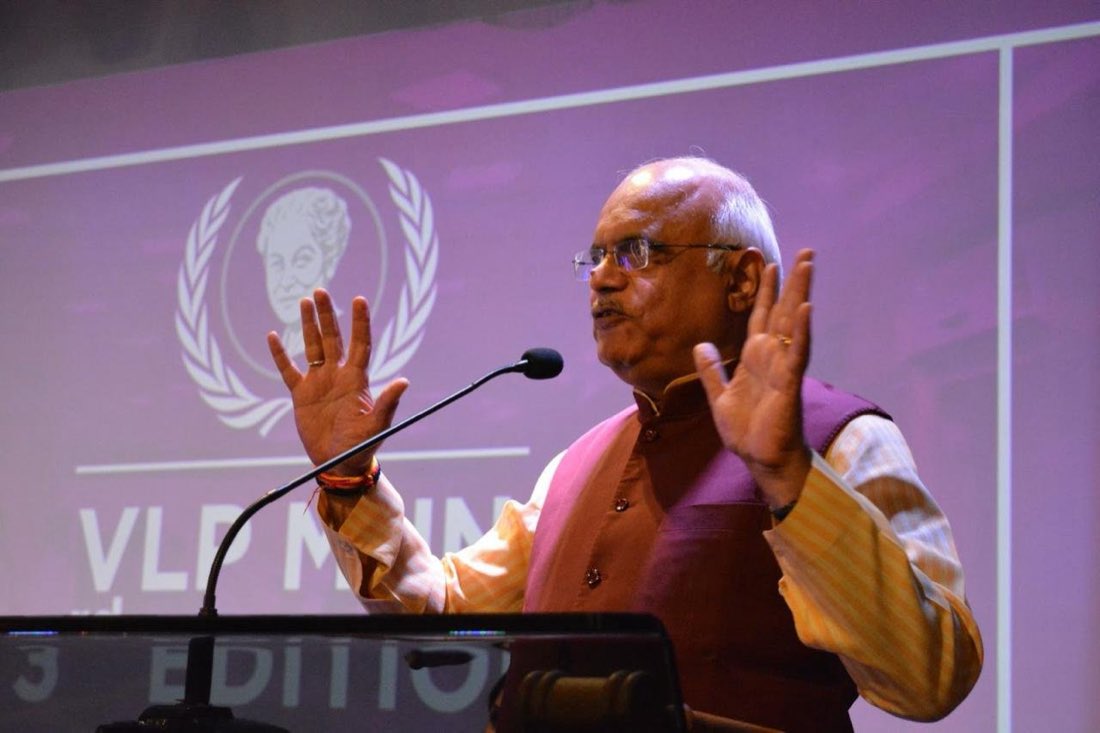
VLP MUN brings students from many institutions together for three days of debate and policy-driven dialogue. Read about the conference and its keynote on the VLP MUN page. Students who want to take the same skills further can look at our Global Immersion Program.