
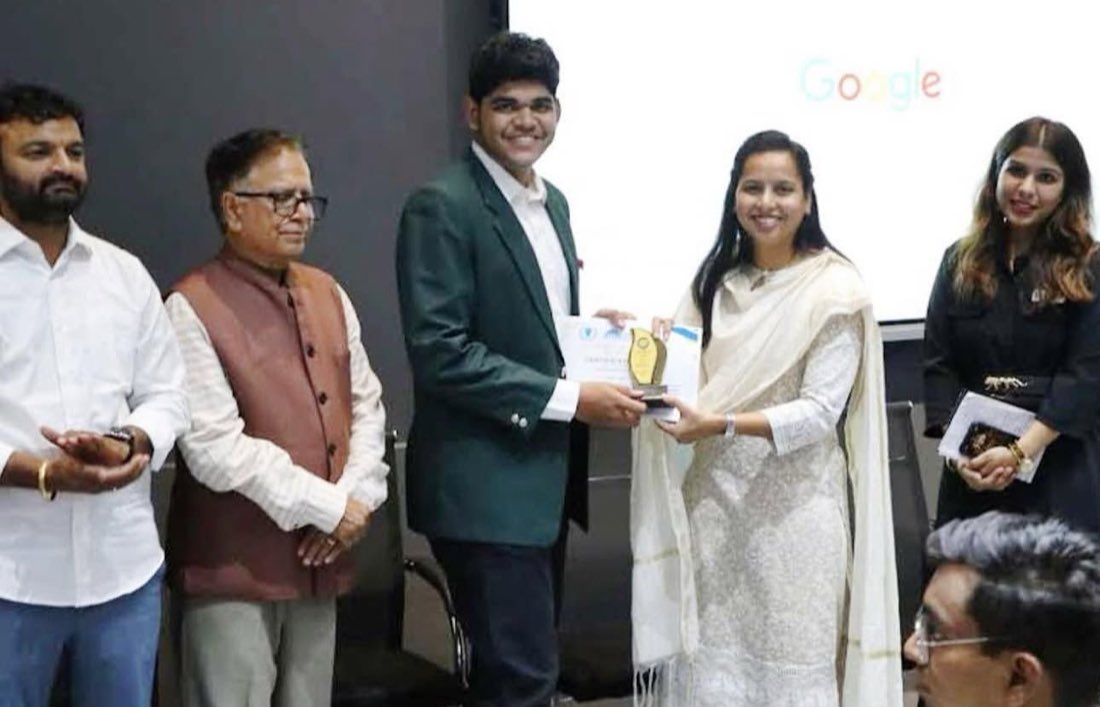
A glossy brochure, a famous city, a certificate with a crest. Programmes for school and college students are easy to sell and hard to judge from the outside. Some change how a young person thinks. Others are expensive tourism with a lecture attached.
These are the seven questions we would ask before paying a fee. We have answered them for our own programme at the end, because a guide like this should apply to us too.
1. What will my child produce?
The best programmes end in a piece of work: a brief, a research paper, a presentation to people who work in the field. Ask to see examples from past participants. "Exposure" and "networking" are not outcomes.
2. Who teaches, and what have they done?
Ask for names. Look up what they have published, built or advised on. A programme run by practitioners will happily tell you who they are.
3. What exactly is included, and what is only implied?
Read the itinerary line by line. "Attend sessions in Davos" can mean the public Open Forum, an independent side event, or a badge to the World Economic Forum's Annual Meeting. Those are very different things. The Annual Meeting is invitation-only, and the Forum itself warns about paid offers to join "as part of a delegation". If a programme implies access it does not name, ask for it in writing.
4. How is the cohort supervised?
For travel programmes: the ratio of adults to students, who the named emergency contact is, how insurance works, and what happens if a student falls ill abroad. For students under 18, ask how consent and guardian contact are handled at every step.
5. What does a typical day look like?
Ask for an hour-by-hour sample. You will learn quickly whether the days are built around learning or around sightseeing, and whether there is real preparation before departure.
6. How are fees protected?
Get the refund and cancellation policy before you pay, not after. Pay a registered company account, ask for a proper invoice, and check what happens if dates move or a visa is refused.
7. Is the programme honest about what is not settled?
New programmes have open questions: dates, final venues, cohort size. A trustworthy organiser says so plainly. Be cautious with anyone who has every answer and a countdown timer.
Our own answers
Our Global Immersion Program is a proposed programme for January 2027, with an inaugural cohort of about ten to fifteen students in Class 11, Class 12 or undergraduate study. Dates are still to be confirmed. It is run by Darwin Dynamics and is independent of the World Economic Forum; it does not include Annual Meeting badges. Every fellow prepares online for four to six weeks before travel and writes a policy brief. Applicants under 18 need a parent or guardian as contact. Registering costs nothing. If anything here is unclear, write to us and ask. That is what the questions are for.